You Won’t Believe What Dammam’s Hidden Nature Just Revealed
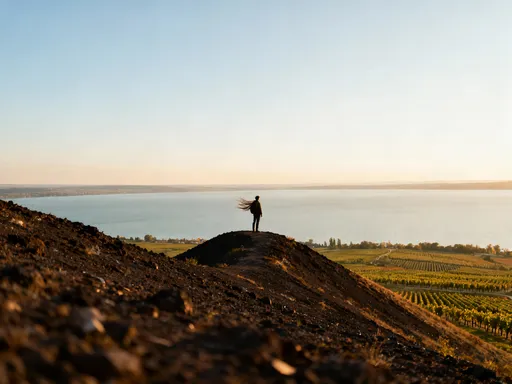
I never expected Saudi Arabia’s East Coast to hold such quiet magic—until I stepped into Dammam’s untouched landscapes. Between the calm of the Arabian Gulf and the whisper of desert winds, nature here unfolds in surprising ways. Think pristine beaches, salt flats glowing at sunset, and mangroves hugging the shoreline. This isn’t just a city stopover; it’s a natural escape waiting to be discovered. For travelers seeking serenity beyond the urban hum, Dammam offers a gentle revelation: that beauty thrives where land meets sea, and stillness lives beside progress. Here, nature isn’t hidden—it’s patiently waiting to be noticed.
Arrival with a View: First Impressions of Dammam’s Natural Landscape
Stepping off the plane in Dammam, visitors are often met with a soft coastal breeze carrying the faint scent of sea salt and warm earth. Unlike the common perception of Saudi cities as vast stretches of concrete and towering glass, Dammam greets you with a surprising blend of urban life and natural charm. The skyline, framed by the gentle curve of the Arabian Gulf, features not only modern buildings but also ribbons of green winding through neighborhoods and along the waterfront. This balance creates an immediate sense of calm, a feeling that the city breathes in rhythm with its environment.
One of the first signs of Dammam’s commitment to green space is King Abdulaziz Park, a sprawling urban oasis that serves as a gateway between city life and natural retreat. Spanning over 700,000 square meters, the park is thoughtfully designed with shaded walking paths, native plant gardens, and open lawns perfect for family gatherings. It’s common to see mothers pushing strollers under the canopy of date palms, children chasing kites on breezy afternoons, and elders sitting on benches reading or sipping tea. The park is not just decorative—it plays a functional role in improving air quality and offering residents a daily dose of nature.
What sets Dammam apart is its intentionality in preserving natural elements even as it grows. Rather than flattening dunes or rerouting waterways, city planners have often worked around existing features, allowing the land to shape development. This respect for topography results in neighborhoods that feel organic, not imposed. For the arriving traveler, this means a city that feels both modern and grounded—a place where progress doesn’t erase the past, but instead makes space for it. The first view of Dammam is not just a cityscape; it’s a promise of balance.
The Gulf’s Gentle Edge: Exploring Dammam’s Pristine Beaches
Along the eastern edge of the city, the Arabian Gulf stretches out like a shimmering mirror, its waters lapping gently against soft, golden sands. Corniche Beach, one of Dammam’s most beloved waterfront destinations, offers a clean, well-maintained coastline ideal for both relaxation and recreation. Early in the morning, the beach comes alive with families walking along the promenade, joggers pacing steadily with the sunrise behind them, and fishermen casting lines from the rocky edges. The atmosphere is peaceful, unhurried—a world away from the noise and rush often associated with city life.
What makes Corniche Beach particularly appealing is its clarity and cleanliness. The water, though warm, is clear enough to see small fish darting near the surface, and the sand is regularly maintained to ensure a comfortable experience for barefoot visitors. Shaded seating areas, clean restrooms, and drinking fountains are thoughtfully placed along the walkway, making it accessible and welcoming for all ages. There are no high-rise resorts or crowded vendors here—just open space, sea air, and the sound of waves. This simplicity is part of its charm, offering a genuine escape without commercial clutter.
Safety and accessibility are central to the beach’s design. Designated swimming zones are marked and monitored, especially during peak hours, and lifeguards are present to ensure a secure environment for children and adults alike. The wide promenade is paved and smooth, ideal for strollers, wheelchairs, and bicycles, reflecting a thoughtful approach to inclusive public spaces. As the sun begins to dip below the horizon, the beach transforms into a golden stage—couples stroll hand in hand, children fly kites one last time, and photographers capture the sky as it shifts from pink to deep violet. In these quiet moments, the Gulf reveals its gentlest side.
Where Land Meets Salt: The Quiet Beauty of Sabkha (Salt Flats)
Just beyond the city’s edge, where the urban fabric begins to fade, lies one of Dammam’s most mesmerizing natural features—the vast, otherworldly salt flats known locally as sabkha. These expansive, flat plains are formed through the natural evaporation of seawater, leaving behind crystalline layers that shimmer under the sun like scattered diamonds. During golden hour, when the low light casts long shadows and warms the white crust, the sabkha glows with an almost ethereal radiance. It’s a landscape that feels both ancient and untouched, a reminder of the powerful, slow-moving forces of nature.
The sabkha ecosystem is delicate and scientifically significant. Over time, seawater seeps into low-lying desert areas, where intense heat causes rapid evaporation. What remains is a crust of salt and minerals, often cracked into intricate geometric patterns that stretch as far as the eye can see. These formations are not only visually striking but also play a role in the region’s geology and climate regulation. For visitors, the experience of walking—carefully—across this surreal terrain is both humbling and awe-inspiring. The silence is profound, broken only by the wind or the crunch of salt underfoot.
For those planning to visit, timing and preparation are key. The best moments to explore the sabkha are early morning or late afternoon, when temperatures are milder and the light enhances the landscape’s natural beauty. Sturdy, closed-toe footwear is recommended, as the salt crust can be sharp and uneven. While there are no marked trails or visitor centers in many areas, the flats are accessible by car via well-maintained roads on the city’s outskirts. Photography enthusiasts will find endless opportunities here—the reflective surface creates mirror-like effects at certain angles, and the contrast between white salt and blue sky is striking. Above all, visitors are encouraged to tread lightly, leaving no trace behind.
Hidden Wetlands: Discovering Mangrove Trails Along the Coast
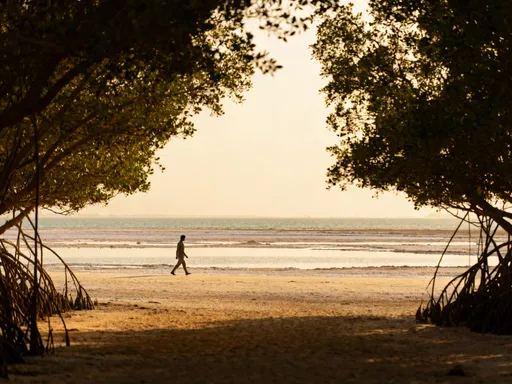
Along the quieter stretches of Dammam’s coastline, a different kind of green thrives—mangrove forests, rooted in the brackish waters where freshwater meets the sea. These resilient trees, with their tangled networks of stilt-like roots, form vital ecosystems that support a surprising variety of life. Though not as widely known as other natural attractions, these mangroves are ecological powerhouses, acting as nurseries for fish, shelter for birds, and natural barriers against coastal erosion. For the mindful traveler, they offer a chance to witness nature’s quiet resilience in action.
In recent years, efforts to protect and promote these wetlands have grown. Some areas now feature elevated wooden boardwalks that allow visitors to walk among the mangroves without disturbing the fragile root systems below. From these paths, it’s possible to spot herons standing motionless in the shallows, crabs scuttling across mudflats, and even small fish darting through the clear water. The air is thick with the scent of salt and damp earth, and the only sounds are the rustle of leaves and the occasional call of a distant bird. It’s a place of stillness, perfect for reflection or quiet observation.
For those seeking a more immersive experience, guided kayaking tours—when available through authorized eco-tourism operators—offer a unique way to explore the mangrove channels. Paddling slowly through narrow waterways, surrounded by green on all sides, creates a sense of discovery and intimacy with nature. These tours emphasize low-impact practices: no loud noises, no littering, and strict adherence to designated routes. The goal is not just recreation, but education—helping visitors understand the importance of preserving these rare coastal forests. In a world where wetlands are disappearing at an alarming rate, Dammam’s mangroves stand as a quiet testament to what can be protected with care.
Beyond the City: Day Trip Potential to Nearby Natural Sites
While Dammam itself offers a wealth of natural beauty, its true advantage lies in its location—nestled along the eastern coast, it serves as a gateway to even more expansive natural destinations. One of the most notable is Jubail Mangroves National Park, located roughly an hour’s drive north. As one of the largest protected mangrove areas in the region, it offers a more extensive and immersive experience for nature lovers. The park is home to diverse bird species, including flamingos, ospreys, and migratory waders, making it a prime destination for birdwatching enthusiasts.
Access to the park is well-managed, with designated entry points, visitor information boards, and guided eco-tours available through licensed operators. These tours often include kayaking, nature walks, and educational sessions about the local ecosystem. The roads leading to Jubail are modern and well-paved, making the journey comfortable and stress-free. For families or solo travelers, combining a visit to the park with a picnic in a designated area offers a full day of outdoor enjoyment. What makes this experience special is the sense of stepping into a protected wilderness—one where nature is allowed to thrive with minimal human interference.
Other nearby natural sites include coastal reserves and protected dunes, some of which are being developed with sustainable tourism in mind. These areas provide opportunities for gentle hiking, photography, and learning about native desert flora and fauna. While facilities may be more limited than in urban parks, the trade-off is a deeper connection to the natural world. Travelers are encouraged to plan ahead, bring water and sun protection, and respect all posted guidelines. By venturing beyond Dammam, visitors gain a broader understanding of the region’s ecological diversity—and their role in preserving it.
Design That Respects Nature: How Dammam Balances Urban Life and Green Spaces
Dammam’s charm lies not only in its natural attractions but also in how seamlessly they are woven into the fabric of daily life. Unlike cities where green spaces are an afterthought, Dammam has made environmental integration a cornerstone of its urban planning. Waterfront promenades follow the natural curve of the coast, preserving views and access to the sea. Native trees line major avenues, providing shade and reducing urban heat. Even in newer developments, there is a noticeable effort to retain dunes, wadis, and natural drainage paths rather than reshaping the land entirely.
One of the most visible signs of this commitment is the city’s irrigation system, which uses treated wastewater to sustain public gardens and roadside greenery. This sustainable practice not only conserves fresh water but also supports the growth of drought-resistant plants that thrive in the local climate. Parks and roundabouts are planted with species like ghaf trees, acacias, and desert lilies—plants that require minimal water and are well-adapted to the region. These choices reflect a deeper understanding of environmental stewardship, one that values resilience over ornamentation.
For residents, this integration means that nature is never far away. A short walk from home might lead to a shaded park, a coastal path, or a quiet stretch of beach. Children grow up with access to open spaces, learning to appreciate the outdoors from an early age. For visitors, it offers a model of how cities can grow without sacrificing their natural soul. Dammam proves that urban life and environmental care are not opposites—they can, and should, coexist. The city’s design invites everyone to slow down, breathe deeply, and notice the green that surrounds them.
Why This Matters: Reimagining Travel in Saudi Arabia Through Nature
The experience of discovering Dammam’s natural landscapes is about more than scenic views or photo opportunities—it’s about shifting perspectives. For many, travel in Saudi Arabia has long been associated with grand architecture, bustling markets, or religious sites. While these remain important, a quieter revolution is underway, one that invites travelers to look deeper, to slow down, and to find meaning in stillness. Dammam exemplifies this shift, offering a travel experience rooted in authenticity, sustainability, and connection.
By choosing to explore places like the sabkha, the mangroves, or the city’s quiet beaches, travelers become part of a larger movement—one that values preservation over consumption, observation over intrusion. This kind of tourism doesn’t just benefit the visitor; it supports local conservation efforts, raises environmental awareness, and encourages responsible development. Every footstep on a boardwalk, every photo taken of a sunset over the salt flats, becomes a small act of appreciation for a fragile and beautiful world.
For women, particularly those in the 30 to 55 age group who often balance family, work, and personal well-being, Dammam offers a rare kind of freedom—the freedom to wander without crowds, to breathe deeply by the sea, and to reconnect with nature on their own terms. It’s a place where solitude is possible, where curiosity is rewarded, and where the simple act of watching the tide roll in can feel like a gift. In a fast-moving world, these moments of peace are not just welcome—they are essential.
As Saudi Arabia continues to open its doors to the world, Dammam stands as a quiet invitation: to look beyond the expected, to seek out the soft whispers of nature, and to travel with respect and wonder. The beauty here is not loud or flashy—it is patient, enduring, and deeply rooted. And for those willing to pause and listen, it has something profound to reveal.