You’ve Never Seen Edmonton Like This – Slow Travel’s Best Kept Secret
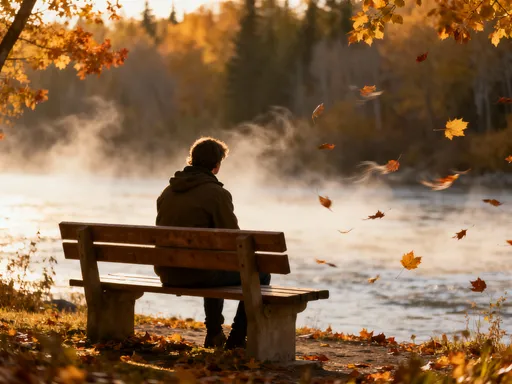
Edmonton isn’t the kind of place that screams for attention. No skyscrapers, no tourist queues. But if you slow down, you’ll notice something special—its public spaces breathe with life. I spent two weeks exploring parks, river trails, and neighborhood plazas without rushing. What I found was unexpected: a city that reveals itself quietly, one bench, one sunset, one coffee stop at a time. This is travel with space to think, to wander, to belong. It’s not about ticking off attractions but about feeling the pulse of a community through its shared spaces. Edmonton, often overlooked in favor of flashier Canadian cities, offers a different kind of journey—one defined by stillness, greenery, and genuine human warmth.
Reimagining Edmonton: Beyond the Expected
Most travelers pass through Edmonton with little more than a glance, often treating it as a transit point en route to the Rockies or the northern wilderness. It doesn’t have the international reputation of Vancouver or the historic charm of Quebec City. Yet this very lack of expectation is what makes it so rewarding for the mindful traveler. Without the pressure of crowds or the need to chase photo opportunities, visitors can engage with the city on a deeper, more personal level. The shift begins with perception: instead of searching for grand monuments or famous streets, slow travelers focus on the everyday—benches beneath leafy trees, quiet corners in neighborhood libraries, and the hum of conversation in public squares.
What sets Edmonton apart is its remarkable integration of nature and urban life. Despite being a city of nearly one million people, it dedicates over 17,000 acres to parkland, much of it concentrated in the North Saskatchewan River Valley. This expansive green corridor runs east to west across the city, offering an uninterrupted natural retreat just steps from downtown. For the slow traveler, this means the ability to move seamlessly from urban energy to forested solitude in minutes. The city’s layout encourages exploration on foot or by bike, with pathways connecting residential areas, cultural centers, and recreational spaces. There’s no need to rush when every turn reveals a new vista, a local artist at work, or a dog walker pausing to greet a neighbor.
Another defining feature is Edmonton’s commitment to year-round outdoor living. Unlike many northern cities that retreat indoors during winter, Edmonton embraces the cold with heated walkways, outdoor skating rinks, and winter festivals that draw residents into public spaces even in subzero temperatures. This cultural attitude transforms the idea of seasonal travel—visiting in January is not a compromise but an invitation to experience a different rhythm of life. For women in their 30s to 50s, often balancing family responsibilities with personal fulfillment, this kind of travel offers a rare opportunity: to move at one’s own pace, to breathe deeply, and to reconnect with the simple pleasure of being present in a place.
The Heartbeat of the City: River Valley Parks
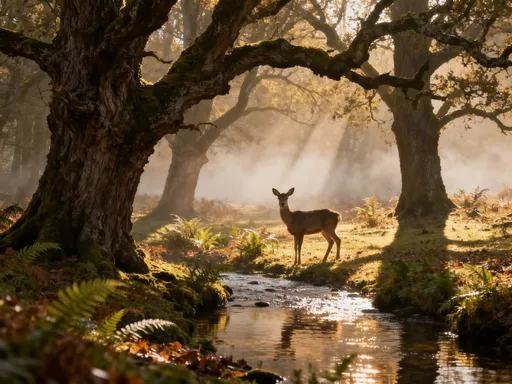
The North Saskatchewan River Valley is not just a park—it’s a living, breathing ecosystem that forms the green spine of Edmonton. Spanning over 7,400 hectares, it is recognized as the largest urban parkland in North America, a fact that often surprises even longtime residents. For the slow traveler, it offers an unparalleled network of trails, lookouts, and natural hideaways. Walking or cycling along the paved pathways, one quickly forgets they are in a major city. Towering poplars and spruce trees line the banks, their reflections shimmering in the slow-moving river. Songbirds echo in the morning air, and if you’re lucky, you might spot a deer grazing near the underbrush or a great blue heron taking flight at dusk.
What makes the river valley truly special is how it integrates into daily life. Early in the morning, joggers and dog walkers move at a steady pace, many exchanging quiet hellos. By midday, families picnic on grassy slopes, children chasing bubbles or flying kites. In the evening, anglers line the banks, their rods patiently held as the sun dips below the treeline. These moments are not staged for tourists; they are authentic slices of local life. Moving slowly allows the visitor to absorb not just the scenery but the rhythm—the unhurried pulse of a community that values outdoor time regardless of age or background.
Seasonal changes bring new textures to the experience. In spring, the valley blooms with crocuses and daffodils, while meltwater feeds small streams that trickle down ravines. Summer brings lush greenery and the scent of pine, with outdoor yoga classes and community gardening projects dotting the landscape. Fall transforms the canopy into a tapestry of gold and crimson, perfect for contemplative walks. Even in winter, the valley remains accessible, with cleared trails for walking and cross-country skiing. The city maintains key routes with regular snow removal, ensuring that cold weather never becomes a barrier to connection with nature. For women seeking a travel experience that nurtures both body and mind, the river valley offers a sanctuary of calm and continuity.
Urban Plazas and Pocket Parks: Where Locals Gather
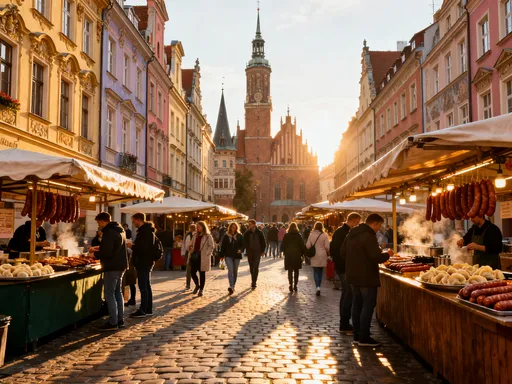
While the river valley provides expansive natural space, Edmonton’s smaller public plazas and pocket parks offer intimacy and cultural vitality. These spaces are designed not just for passage but for lingering. Churchill Square, located in the heart of downtown, is a prime example. In summer, it hosts the Edmonton Folk Music Festival’s free lunchtime concerts, drawing office workers, retirees, and families onto its open lawn. The sound of acoustic guitars and hand drums fills the air, while food trucks line the perimeter, offering everything from bison burgers to berry-filled pastries. There’s no pressure to spend or perform—just the freedom to sit, listen, and be part of the moment.
Smaller neighborhood plazas offer quieter but equally meaningful experiences. In the Old Strathcona district, a cobblestone courtyard often features local artisans selling handmade soaps, quilts, and pottery. Nearby, a bronze statue of a reading woman invites passersby to pause and reflect. These spaces are not manicured for perfection but worn in by use, their benches warmed by afternoon sun and their planters tended by volunteer gardeners. The design philosophy is clear: public spaces should feel lived-in, not just visited.
Public art plays a significant role in activating these areas. Sculptures, murals, and seasonal light installations add layers of meaning and beauty. One winter, a series of glowing ice lanterns lined a downtown walkway, each inscribed with a handwritten wish from a local resident. Another summer, a temporary art installation transformed a parking lot into a pop-up garden with hammocks and birdhouses. These projects, often community-driven, reflect Edmonton’s spirit of creativity and inclusivity. For the slow traveler, they offer moments of surprise and delight—proof that even in an urban setting, beauty can emerge in unexpected places. Sitting on a bench with a takeaway coffee, watching children chase pigeons or couples sharing a quiet conversation, one begins to feel not like a visitor but like a temporary member of the community.
Transit as Part of the Experience: Riding the LRT and Walking the Grid
In many cities, public transit is a means to an end—a way to get from point A to B as quickly as possible. In Edmonton, it can be part of the journey itself. The Light Rail Transit (LRT) system, though modest in size, connects key neighborhoods with surprising efficiency. Riding the Capital Line from Century Park to Clareview offers a cross-section of the city’s diversity. In the south, modern apartment complexes rise beside community gardens. As the train moves north, single-family homes with wide front porches give way to bustling commercial strips with cafes, bookstores, and ethnic grocery stores. The windows provide a moving canvas of urban life, best enjoyed without headphones, allowing the sounds of announcements, laughter, and street musicians to blend into the experience.
What makes the LRT ideal for slow travel is its accessibility and rhythm. Stations are clean and well-lit, with clear signage and real-time arrival information. Unlike crowded subway systems, the cars are rarely packed, leaving room to breathe and observe. Travelers can board without rushing, sit by the window, and let the city unfold. Getting off at random stops—such as the Royal Alexandra Hospital station or MacEwan University—reveals quiet plazas, public art, and small parks that might otherwise go unnoticed. The act of riding becomes a form of urban meditation, a way to absorb the city’s texture without the filter of a car window.
Complementing the LRT is Edmonton’s walkable core. The downtown grid is compact, with wide sidewalks, pedestrian crossings, and seasonal awnings that provide shelter from sun or snow. Walking from the Art Gallery of Alberta to the Muttart Conservatory takes less than 20 minutes and passes through multiple micro-environments: a quiet library courtyard, a bustling food hall, and a tree-lined avenue shaded by mature elms. For women who value safety, convenience, and the ability to explore independently, this walkability is a major asset. There’s no need for taxis or ride-shares—just comfortable shoes and a willingness to wander. Each block tells a story, whether it’s a mural honoring Indigenous heritage or a community bulletin board filled with flyers for dance classes and gardening workshops.
Seasonal Rhythms: Public Life in Winter and Summer
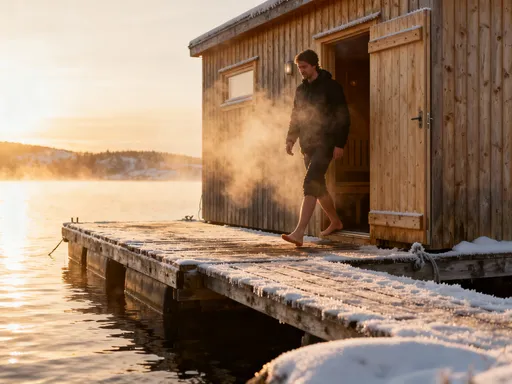
One of the most striking aspects of Edmonton is how its public spaces remain vibrant across all seasons. While many northern cities go dormant in winter, Edmonton leans into the cold with resilience and creativity. The city maintains over 30 kilometers of heated sidewalks and walkways, primarily in the downtown core, ensuring that pedestrians can move comfortably even in January. Outdoor skating rinks pop up in parks and plazas, some with fire pits and snack kiosks. The annual Winter Light Tour illuminates the river valley with glowing sculptures and interactive light displays, drawing families and couples on crisp, star-filled nights.
These winter offerings are not tourist gimmicks but deeply rooted in local culture. Residents bundle up in parkas and knit hats, walking dogs, playing shinny hockey, or simply sipping hot chocolate on a bench. The sense of community endures, even when temperatures dip below -20°C. For the slow traveler, this means the opportunity to experience a different kind of beauty—one defined by stillness, clarity, and shared endurance. There’s a quiet pride among Edmontonians in their ability to thrive in winter, and visitors who embrace the season are often welcomed with warmth that contrasts the cold air.
In summer, the city blossoms with outdoor festivals, patio culture, and extended daylight. With nearly 17 hours of sunlight in June, evenings stretch into golden afternoons, perfect for long walks or dinner at a sidewalk bistro. Farmers’ markets appear weekly in neighborhoods like Highlands and Glenora, offering fresh produce, homemade preserves, and live music. The Edmonton International Fringe Theatre Festival transforms Old Strathcona into a lively stage, with impromptu performances on street corners and in alleyways. These events are not curated for tourists but emerge from the city’s creative spirit, inviting everyone to participate.
The contrast between seasons highlights Edmonton’s adaptability and the resilience of its public life. Whether under a blanket of snow or a canopy of green leaves, the city’s spaces remain open, inviting, and alive. For women seeking travel that feels authentic and grounded, this year-round vibrancy offers a reassuring message: connection to place is possible in any season, as long as one is willing to step outside and look around.
Local Encounters: Conversations in Shared Spaces
One of the quiet gifts of slow travel is the possibility of real human connection. In Edmonton, these moments arise naturally in shared spaces. At the Muttart Conservatory, a woman tending to the tropical garden paused to explain the blooming cycle of an orchid to a small group of onlookers. Her hands moved gently over the petals, her voice warm with pride. A pickup soccer game in a neighborhood park welcomed a hesitant observer to join in for a few rounds. At a riverside bench, an older man shared stories of fishing the North Saskatchewan since the 1960s, his eyes lighting up as he described the taste of a fresh-caught trout.
These interactions are not staged or transactional. They happen because people are present, not rushing, and because public spaces are designed to encourage lingering. Libraries, community centers, and even public washrooms are kept clean and welcoming, signaling that everyone belongs. The city’s emphasis on inclusivity—through multilingual signage, accessible design, and free programming—fosters a sense of shared ownership. When a traveler sits quietly in a plaza, they are not invisible; they are part of the scene.
For women who may feel overlooked or rushed in daily life, these moments of recognition can be deeply affirming. A simple smile from a stranger, an invitation to try a local bakery’s new scone flavor, or a shared laugh over a dog’s antics in the park—all of these small exchanges build a sense of belonging. Slow travel, in this sense, is not just about seeing a place but about being seen within it. It’s about reclaiming the right to take up space, to move without agenda, and to connect without pretense.
Planning Your Own Slow Escape: Practical Insights
For those inspired to experience Edmonton at a slower pace, a few practical considerations can enhance the journey. First, choose accommodations that prioritize walkability. Staying in neighborhoods like Oliver, Downtown, or Old Strathcona places you within easy reach of parks, transit, and local cafes. Consider renting a small apartment or suite with a kitchenette—this allows for relaxed mornings with coffee and the freedom to return for midday rest, a practice especially valuable for women traveling solo or managing energy levels.
Timing matters. Summer offers the longest days and the fullest calendar of outdoor events, but spring and fall provide milder weather and fewer crowds. Winter travel, while colder, reveals a unique side of the city’s culture and is surprisingly accessible with proper clothing—layers, insulated boots, and a warm hat make all the difference. Regardless of season, aim to visit public spaces during weekday mornings or late afternoons, when locals are most active and the atmosphere is calm.
Use the LRT and walking as primary modes of transport. Download the Edmonton Transit Service app for real-time schedules and route planning. Carry a reusable water bottle and a light backpack with snacks, sunscreen, or a compact umbrella—small comforts that support unhurried exploration. Most importantly, shift your mindset: leave the checklist behind. Instead of measuring success by how many places you’ve seen, measure it by how many moments you’ve felt. Sit on a bench for 20 minutes. Watch the clouds. Listen to the wind in the trees. Say hello to someone. These are the acts that transform a trip into a meaningful experience.
A sample slow itinerary might include: morning coffee at a neighborhood café, a walk through the river valley trail, lunch at a farmers’ market, an hour spent in a public library or gallery, and an early evening ride on the LRT to watch the city lights come on. The goal is not productivity but presence. By embracing slowness, travelers open themselves to the subtle rhythms of a place—the kind of wisdom that doesn’t come from guidebooks but from simply being there.
Edmonton teaches us that not every great journey needs drama. Sometimes, the deepest travel moments happen on a quiet path, a sunlit bench, or a slow train ride through snow-dusted streets. By embracing slowness and opening ourselves to public spaces, we don’t just see a city—we feel it. In a world that often moves too fast, Edmonton offers a rare gift: the space to breathe, to notice, and to belong. For women seeking travel that nourishes the soul, this unassuming northern city may be the most rewarding destination of all.