You Won't Believe These Hidden Side of Bohol
Bohol isn’t just about chocolate hills and tarsiers—there’s way more beneath the surface. I went looking for the real vibe beyond the postcard spots and found theme-driven experiences that totally changed how I see this island. From eco-adventures to cultural deep dives, Bohol’s hidden layers are practical, immersive, and surprisingly easy to explore. If you're planning a trip that’s more than just checklists, stick around—this is the side most travelers miss.
Why Theme-Based Travel Works in Bohol
Traveling with a clear theme transforms a simple island getaway into a meaningful journey. Instead of rushing from one attraction to the next, theme-based travel allows visitors to slow down, connect more deeply, and see Bohol through a focused lens. Whether it’s nature, culture, sustainability, or family bonding, choosing a central idea for your trip brings coherence and intention to every activity. This approach reduces decision fatigue, enhances personal enjoyment, and often leads to more authentic interactions with locals and landscapes.
Bohol is uniquely suited for themed itineraries due to its compact size and remarkable diversity. Spanning just over 4,800 square kilometers, the island packs in rolling hills, lush rainforests, historic towns, river ecosystems, and coastal villages, all within a two- to three-hour drive from Tagbilaran City. Unlike sprawling destinations that require long transfers, Bohol enables travelers to explore multiple related sites in a single day without feeling overwhelmed. This geographic efficiency makes it easy to design immersive experiences around a chosen focus.
Traditional checklist tourism—where visitors aim to “see everything” in a short time—often leads to surface-level encounters. People snap photos at major sites but miss the nuances that make a place special. They may leave feeling satisfied but not transformed. In contrast, theme-based exploration encourages presence, curiosity, and connection. For example, a family interested in conservation can spend a full day learning about reforestation efforts, observing protected wildlife, and participating in eco-friendly river activities. A couple passionate about heritage might dedicate time to visiting centuries-old churches, speaking with local historians, and trying traditional crafts.
The shift from checklist to thematic travel also supports local communities more effectively. When tourists engage with specific aspects of Bohol’s identity, they tend to spend more time and money with small operators, artisans, and guides who are deeply connected to those themes. This creates a more sustainable model of tourism, where economic benefits are distributed more evenly and cultural preservation is incentivized. Moreover, themed trips often inspire travelers to return, having only scratched the surface during their first visit.
Nature & Conservation: More Than Just the Famous Hill
The Chocolate Hills are undoubtedly Bohol’s most iconic natural feature, drawing thousands of visitors each year. These 1,268 cone-shaped limestone formations rise dramatically from the island’s central plains, especially striking during the dry season when the grass turns golden brown—hence the “chocolate” name. Recognized as a UNESCO World Heritage Site nominee and a National Geological Monument, the hills are not only visually stunning but also ecologically significant. They support unique grassland species and serve as a symbol of Bohol’s natural heritage.
While the main observation deck in Carmen offers a panoramic view, many travelers miss the quieter, equally rewarding experiences just beyond the tourist hub. Several lesser-known trails wind through the grasslands, allowing for up-close exploration of the hills’ geology and flora. Guided eco-walks, led by local naturalists, provide insight into how these formations developed over millions of years through marine uplift and erosion. Visitors learn about the karst landscape, native grass species like cogon and talahib, and the seasonal changes that affect the terrain.
Conservation efforts in the Chocolate Hills region have grown significantly in recent years. Local authorities and community groups work together to prevent illegal quarrying, control invasive plant species, and manage visitor impact. Reforestation projects aim to restore native vegetation around the hills, while educational signage helps tourists understand the fragility of the ecosystem. One key initiative involves training local youth as eco-guides, ensuring that future generations become stewards of this natural wonder.
Travelers can contribute meaningfully by choosing responsible tour operators who follow environmental guidelines, avoiding littering, and staying on designated paths. Some visitors participate in organized clean-up drives or donate to local conservation funds, which support monitoring programs and habitat restoration. Even small actions, like refraining from climbing the hills (which is prohibited), help preserve the site for others. By treating the Chocolate Hills not just as a photo opportunity but as a living landscape, tourists become part of its protection.
Wildlife Encounters Done Right: The Tarsier Experience
The Philippine tarsier is one of the world’s smallest primates, weighing just 100 to 150 grams and known for its enormous eyes and silent movements. Native to parts of Bohol, Leyte, and Samar, this nocturnal creature has become a symbol of the island’s unique biodiversity. Once captured and sold as pets or displayed in poor conditions, tarsiers are now protected under national law, and their welfare is prioritized at the Philippine Tarsier Sanctuary in Corella. This 13.4-hectare forest reserve, managed by the Tarsier Conservation Program, offers the most ethical way to observe these shy animals in their natural habitat.
The sanctuary was established to reverse decades of exploitation. In the past, tarsiers were kept in cages with bright lights and loud noises, leading to stress, self-harm, and early death. Today, the facility maintains low foot traffic, dim lighting, and strict visitor rules to minimize disturbance. Guests walk along elevated wooden boardwalks through dense secondary forest, where tarsiers sleep during the day. Knowledgeable guides point out individuals clinging to tree trunks, often just a few meters away, and explain their behavior, diet, and conservation status.
Ethical wildlife viewing is not just about animal welfare—it also enhances the visitor experience. When tourists observe tarsiers in a calm, natural setting, they gain a deeper appreciation for the species and its ecological role. The quiet atmosphere allows for reflection and connection, turning a simple sighting into a memorable moment. Many guests report feeling a sense of awe and responsibility after their visit, often leading to increased support for conservation causes.
To ensure a respectful experience, visitors must follow clear guidelines: no flash photography, no loud talking, no sudden movements, and no attempts to touch or feed the animals. Children are welcome but must be closely supervised. The sanctuary limits group sizes and requires advance booking during peak seasons. By adhering to these rules, tourists help maintain the integrity of the site and contribute to ongoing research and habitat improvement projects. Entrance fees directly support the sanctuary’s operations, including veterinary care, reforestation, and community outreach.
River Life: The Magic of the Loboc Experience
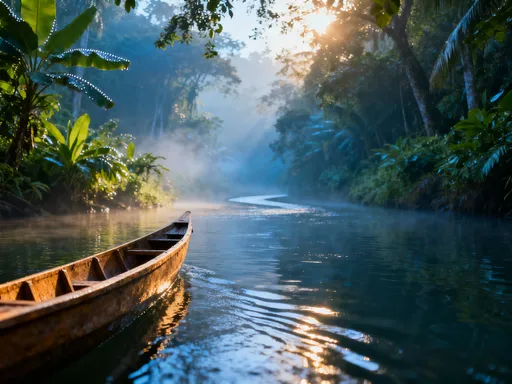
The Loboc River, one of Bohol’s most scenic waterways, offers a tranquil escape into nature and culture. A river cruise here is not just a boat ride—it’s a moving celebration of island life. Floating along the emerald-green waters, surrounded by dense foliage and limestone cliffs, passengers enjoy live music, traditional dances, and a buffet of local dishes served onboard. The gentle current carries the boat downstream, creating a relaxing rhythm that invites conversation, photography, and quiet contemplation.
What sets the Loboc River cruise apart is its integration of authentic cultural performances. Local musicians play folk songs on native instruments like the kulintang and guitar, while dancers in traditional attire perform the tinikling and other regional dances. These acts are not staged for spectacle alone; they reflect real community traditions passed down through generations. Many performers are residents of riverside villages, and their participation provides both income and pride in cultural preservation.
Food is another highlight of the cruise. The onboard buffet typically includes kinilaw (Filipino ceviche), grilled banana, chicken adobo, native rice cakes, and fresh tropical fruits. Ingredients are sourced from nearby farms and markets, supporting local agriculture and reducing carbon footprint. Some operators even allow guests to try their hand at paddling a native canoe or feeding fish from the boat, adding interactive elements to the journey.
Sustainability is increasingly central to the Loboc River tourism model. In recent years, operators have adopted eco-friendly practices such as banning single-use plastics, using solar-powered boats, and limiting daily passenger numbers to reduce riverbank erosion. Waste is carefully managed, and crews conduct regular clean-ups. Community-based management ensures that tourism revenue stays within the region, funding school programs, infrastructure, and environmental monitoring. Travelers who choose certified eco-cruises can feel confident that their visit supports both nature and people.
Cultural Journeys: Churches, Crafts, and Local Life
Bohol’s cultural heritage is deeply rooted in its Spanish colonial past and indigenous traditions. Among its most treasured landmarks is the Baclayon Church, a UNESCO-listed Baroque-style structure built in 1727 from coral stones and molave wood. This centuries-old Roman Catholic church stands as a testament to Filipino craftsmanship and religious devotion. Its well-preserved interior features intricate carvings, antique religious artifacts, and a museum showcasing liturgical objects, vestments, and historical documents. A visit here offers more than architectural appreciation—it provides a window into the spiritual life of the community.
Nearby towns like Loboc and Loon also house heritage homes and ancestral buildings that reflect Boholano design. These structures, with their high ceilings, capiz-shell windows, and wide verandas, were built to withstand the tropical climate while promoting airflow and family gathering. Some have been restored and opened to the public as museums or cultural centers, where visitors can learn about domestic life in the 19th century. Guided tours often include stories of prominent families, local folklore, and the impact of historical events on daily life.
Artisan workshops offer hands-on opportunities to connect with living traditions. In the town of Dimiao, weavers demonstrate the process of creating piña fabric, a delicate textile made from pineapple fibers. This labor-intensive craft, once reserved for the elite, is now being revived by local cooperatives. Guests can try basic weaving techniques, purchase handmade items, and meet the artisans behind the work. Similarly, pottery centers in Maribojoc teach the art of clay molding using traditional tools and open-fire kilns, preserving a skill that dates back to pre-colonial times.
Engaging with local communities through cultural activities fosters mutual respect and understanding. When travelers participate in a weaving session or listen to an elder share stories, they move beyond observation to genuine connection. These interactions are especially meaningful for families, as children learn about history and craftsmanship in an engaging way. Community-led tours ensure that benefits go directly to residents, encouraging cultural pride and economic resilience. By supporting these initiatives, visitors help safeguard Bohol’s intangible heritage for future generations.
Adventure & Eco-Tourism: Ziplines, Caves, and Canoe Rides
For those seeking gentle adventure, Bohol offers a range of eco-friendly activities that blend excitement with environmental awareness. Canopy walks and zipline tours, particularly in the Sagbayan and Bilar areas, allow visitors to glide above the treetops and experience the forest from a bird’s-eye view. These attractions are designed with safety and sustainability in mind: platforms are built without harming trees, harnesses meet international standards, and guides are trained in emergency response. The thrill of soaring through the air is matched by the serenity of the surrounding forest, where birdsong and rustling leaves create a peaceful soundtrack.
Cave exploration is another popular eco-adventure, with sites like Hinagdanan Cave in Panglao offering a mix of natural beauty and mystery. This limestone cave contains a shimmering underground lagoon, accessible via stone steps. Sunlight filters through openings in the ceiling, casting golden rays on the water. Swimming is permitted in designated areas, and guides provide safety briefings and life vests. Other caves, such as those in the Anda Peninsula, feature intricate rock formations and ancient petroglyphs, adding historical intrigue to the experience.
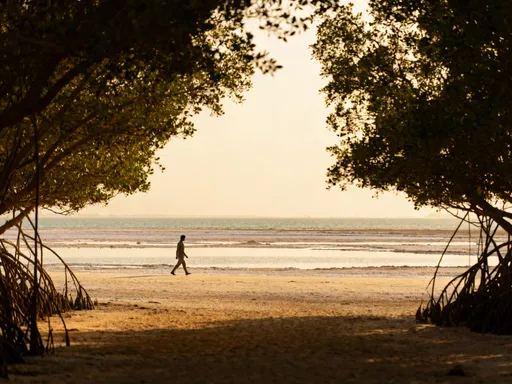
Canoe rides on smaller rivers and mangrove channels provide a slower-paced alternative to the Loboc cruise. Paddled by local boatmen, these narrow vessels navigate through quiet waterways lined with mangroves, which serve as vital nurseries for fish and buffers against coastal erosion. Guides often point out bird species, mudskippers, and crab varieties, turning the journey into an informal nature lesson. Some tours include stops at hidden swimming holes or small waterfalls, perfect for cooling off in the tropical heat.
Responsible adventure operators prioritize both safety and sustainability. Entrance fees contribute to park maintenance, reforestation, and community development funds. Many parks employ local residents as guides, security personnel, and maintenance staff, creating jobs and reducing reliance on unsustainable livelihoods like overfishing. Travelers are encouraged to bring reusable water bottles, wear eco-friendly sunscreen, and follow trail markers to minimize impact. By choosing certified eco-parks, visitors ensure their adventure supports conservation and community well-being.
Putting It All Together: Designing Your Own Theme Trip
Creating a personalized, theme-based itinerary in Bohol is easier than many travelers expect. The first step is identifying your primary interest: Is it nature and wildlife? Cultural heritage? Family-friendly fun? Sustainable travel? Once you’ve chosen a focus, you can select activities that align with it. For example, a nature-themed trip might include the Chocolate Hills, the Tarsier Sanctuary, a canopy walk, and a mangrove canoe tour. A cultural journey could center on Baclayon Church, heritage homes, artisan workshops, and a visit to a local festival if timing allows.
Family travelers often appreciate a balanced mix of education and recreation. A well-designed itinerary might start with a morning visit to the tarsiers, followed by a river cruise with lunch, then an afternoon at a pottery workshop. Including downtime at a resort or beach ensures rest and flexibility. For eco-conscious visitors, focusing on certified sustainable operators and minimizing plastic use can become part of the trip’s theme. Some even track their carbon footprint or participate in a beach clean-up as a meaningful activity.
Transportation in Bohol is straightforward but requires planning. Tricycles (motorcycle-sidecar combinations) are ideal for short trips within towns but less comfortable for long distances. For full-day tours, hiring a private van with a driver is the most convenient option, allowing you to move between zones like Carmen, Loboc, and Baclayon at your own pace. Habal-habal (motorbike rides) are popular with adventurous solo travelers but not recommended for families or those unfamiliar with local roads. Public buses and jeepneys serve major routes but offer limited flexibility.
To maximize efficiency, group activities by region. The northern circuit includes the Chocolate Hills, Sagbayan Peak, and Man-made Forest. The eastern route covers the Tarsier Sanctuary, Baclayon Church, and nearby crafts villages. The Loboc River and surrounding eco-parks form a central cluster. Staying in one base location, such as Tagbilaran or Panglao, reduces packing and unpacking while still providing access to most sites. Many resorts offer complimentary tours or can arrange customized itineraries through trusted partners.
Finally, remember that themed travel is not about perfection—it’s about intention. You don’t need to do everything. Even a single day focused on one theme can deepen your connection to Bohol. The goal is to move beyond surface-level tourism and create experiences that resonate long after the trip ends. When travel is purposeful, it becomes more satisfying, less stressful, and more impactful for both visitor and host community.
Themed travel transforms Bohol from a quick island stop into a deeply engaging journey. By focusing on experiences that connect nature, culture, and community, travelers gain richer memories—and leave a positive footprint. This isn’t just tourism; it’s a smarter, more satisfying way to explore. Ready to go beyond the guidebook? Bohol’s waiting.