Lost in Oslo’s Hidden Hangouts: A Local’s Playground Uncovered
Ever wondered where Oslo locals actually unwind? Forget the tourist brochures—this city’s real charm lives in its quiet courtyards, waterside saunas, and tucked-away cafés where time slows down. I roamed the Norwegian capital not as a visitor, but as a curious explorer, chasing moments of calm, connection, and crisp Nordic air. What I found were leisure spots that breathe authenticity—places that don’t scream for attention but quietly steal your heart. These are not destinations staged for Instagram; they are sanctuaries woven into the rhythm of daily life, where relaxation is not a luxury but a practice. This is Oslo as it’s truly lived, one mindful pause at a time.
The Pulse of Oslo: Why Leisure Here Feels Different
Oslo possesses a rare balance—urban sophistication meets untouched nature in a way few capital cities can claim. Unlike other metropolises where leisure means crowded shopping districts or high-energy nightlife, Oslo’s version of unwinding is rooted in simplicity, accessibility, and a cultural philosophy known as friluftsliv. This Norwegian term, which translates roughly to “free air life,” captures a deep-seated appreciation for spending time outdoors, regardless of season or weather. It’s not about extreme adventures or performance; it’s about presence, about stepping outside and simply being.
This mindset shapes how Oslovians interact with their city. Leisure is not something scheduled for weekends or reserved for vacations—it is integrated into everyday routines. A morning walk through a forested hillside before work, a midday coffee in a sunlit courtyard, an evening swim in the fjord—these are not luxuries but normal parts of life. The city’s infrastructure supports this lifestyle with ease: public transportation that reaches deep into natural areas, well-maintained trails, and open-access recreational facilities. There is no gatekeeping, no entry fee, no expectation to spend money to enjoy peace.
What sets Oslo apart is how seamlessly nature and city coexist. Within minutes of the city center, one can find oneself surrounded by pine trees, listening to birdsong, or watching the sun reflect off a quiet lake. This proximity to wilderness is not accidental; it is the result of deliberate urban planning that prioritizes green corridors, public access to water, and the preservation of open spaces. The result is a culture where relaxation is democratic—available to everyone, regardless of income or status. This foundation of inclusivity and connection to nature is what gives Oslo’s leisure culture its unique texture.
By the Water: Floating Saunas and Fjordside Retreats
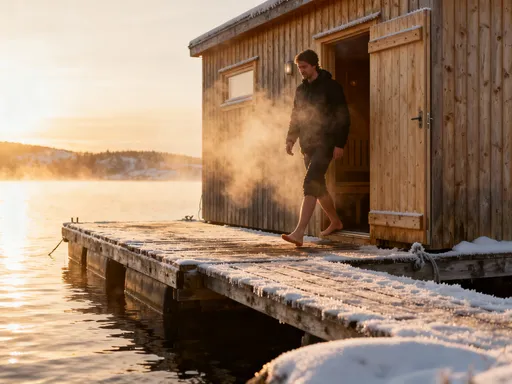
One of Oslo’s most cherished traditions takes place along the shimmering shores of the Oslofjord—public bathing. Known locally as badeplasser, these waterfront spots are more than just swimming areas; they are community hubs where locals gather year-round to embrace the Nordic ritual of sauna followed by a plunge into cold water. It’s a practice rooted in both physical wellness and social connection, and it thrives in places like Huk, Bygdøy, and Sørenga.
Huk Beach, nestled on the Bygdøy Peninsula, is a favorite among families and friends. During summer, children build sandcastles while adults lounge on wooden decks, reading or chatting under the soft Nordic sun. But the real magic happens in winter. As snow dusts the pines and the air bites with cold, locals still come—wrapped in towels, stepping from steamy saunas into the icy embrace of the fjord. The experience is invigorating, even shocking at first, but it leaves behind a deep sense of clarity and warmth that lingers long after.
The design of these spaces reflects Norwegian values: functional, unpretentious, and inclusive. Many saunas are simple wooden cabins, often self-service, with coin-operated doors or digital access codes. Some, like the floating sauna at Raahen, are built on platforms that bob gently on the water, offering panoramic views of the city skyline and surrounding islands. These floating saunas have become symbols of Oslo’s innovative approach to urban relaxation—spaces that blend architecture, nature, and tradition into one harmonious experience.
What makes these fjordside retreats so special is not luxury, but atmosphere. There are no dress codes, no loud music, no pressure to perform or impress. Instead, there is quiet conversation, shared silence, and the rhythmic lapping of waves. It’s a place where generations gather—grandparents, parents, and children—each finding their own way to relax. For many, this ritual is not just about physical health; it’s a form of mental reset, a way to release stress and reconnect with oneself and others.
Urban Oases: Courtyards, Rooftops, and Pocket Parks
While Oslo’s natural landscapes draw much attention, some of its most intimate leisure spaces are hidden in plain sight—within the city’s architectural fabric. Tucked between apartment buildings, behind unassuming doors, or perched atop modern complexes, these urban oases offer pockets of tranquility amid the bustle. They are not grand parks or tourist attractions, but small, thoughtful interventions that transform overlooked spaces into vibrant social and restful zones.
One such example is the courtyard at Mathallen Oslo, a food hall in the Vulkan neighborhood. By day, it buzzes with vendors and shoppers, but by late morning, long tables fill with people sipping coffee, reading books, or meeting friends. The space is bathed in natural light, surrounded by greenery, and shielded from traffic noise. It feels like a village square in the middle of the city—a place designed not just for commerce, but for lingering. The design philosophy here is clear: comfort over efficiency, human connection over speed.
Another standout is the rooftop garden at the same Vulkan complex. Accessible to the public, it features raised plant beds, benches shaded by climbing vines, and views of the Oslofjord. In spring and summer, residents grow herbs and vegetables, while in autumn, the space becomes a quiet retreat for afternoon tea or evening conversation. These rooftop gardens are part of a growing movement in Oslo to reclaim urban space for nature and community, proving that relaxation doesn’t require escaping the city—sometimes, it just requires going up a few floors.
Across town, in the Grønland and Sentrum districts, smaller pocket parks offer similar respite. Places like Sankthanshaugen Park and Eidsvolls plass provide tree-lined paths, open lawns, and seating areas where people can sit alone or gather in small groups. These spaces are especially valuable in densely populated areas where private outdoor access is limited. They serve as communal living rooms—places where city dwellers can breathe, reflect, and feel grounded. The city’s commitment to maintaining and expanding these green pockets ensures that peace is never far away, even in the busiest neighborhoods.
Café Culture with a Nordic Twist: Where Time Slows Down
If there is one ritual that defines Oslo’s pace of life, it is the coffee break. Norwegians are among the highest coffee consumers in the world, and in Oslo, this habit has evolved into a cultural institution. But this is not about caffeine on the go; it is about the art of pausing. Cafés in Oslo are not designed for quick stops—they are built for staying, for savoring, for conversation that unfolds slowly over a second cup.
Tim Wendelboe, a world-renowned coffee roastery in the Grünerløkka district, exemplifies this ethos. The space is minimal—white walls, wooden tables, focused lighting—but every detail serves the experience. Baristas move with quiet precision, explaining bean origins and brewing methods with genuine care. Customers sit alone with journals or in pairs speaking in low tones. There is no rush, no background music competing for attention. The silence is not awkward—it is intentional, a space held for mindfulness.
Similarly, Kaffebrenneriet, a local chain with multiple locations, offers a more accessible but equally thoughtful experience. Their cafés often feature large windows, comfortable seating, and a selection of pastries baked with seasonal ingredients. What stands out is the lack of pressure to leave. No one glares if your cup has been empty for 20 minutes. In fact, it is common to see people reading novels, sketching, or working on laptops for hours. This tolerance for lingering is not just hospitality—it is a reflection of cultural values that prioritize well-being over productivity.
These cafés are more than places to drink coffee; they are modern-day salons, where ideas are exchanged and solitude is honored. They represent a quiet resistance to the global trend of fast living. In a world that glorifies busyness, Oslo’s café culture says: it’s okay to slow down. It’s okay to sit. It’s okay to do nothing. And in that permission lies a profound form of relaxation—one that nourishes the mind as much as the body.
Active Relaxation: Cycling Paths, Ski Trails, and Urban Exploration
In Oslo, movement and rest are not opposites—they are partners. The city’s approach to leisure often involves physical activity, not as a means to burn calories, but as a way to clear the mind and reconnect with the environment. Whether it’s cycling along the Akerselva River, skiing through the Marka forest, or walking the coastal paths of Nordmarka, Oslovians understand that motion can be meditative.
The Akerselva bike route is a prime example of how infrastructure supports active relaxation. This 8.2-kilometer path follows a revitalized river that cuts through the city, passing waterfalls, street art, and small parks. Cyclists and walkers share the trail, moving at their own pace. Along the way, benches invite rest, and informational signs tell the story of the river’s industrial past and ecological renewal. It’s not just a route—it’s a journey through layers of history and nature, all within city limits.
Even in winter, when snow blankets the ground, the city remains active. Cross-country skiing is not a niche sport here—it is a mainstream form of transportation and recreation. The Marka forest, which encircles Oslo, offers over 2,000 kilometers of groomed ski tracks. Locals of all ages strap on skis after work, gliding silently through snowy woods under a pale winter sun. The rhythm of the glide, the crunch of snow, the cold air filling the lungs—it’s a full-body meditation, a way to reset after a long day.
What makes these activities so effective as leisure is their accessibility. Trails are well-marked, equipment is easy to rent, and public transit delivers people close to trailheads. There is no need for expensive gear or memberships. The city’s investment in these networks reflects a belief that physical activity should be part of everyone’s life, not just athletes or fitness enthusiasts. And in that inclusivity lies a deeper benefit: a shared culture of well-being, where moving together—literally—strengthens community bonds.
Cultural Chill: Libraries, Museums, and Public Art as Leisure
In Oslo, culture is not confined to special occasions or elite audiences. Public institutions are designed to be part of everyday life, inviting people to linger, reflect, and unwind. The Deichman Bjørvika library, located at the edge of the fjord, is a stunning example. Its modern architecture features floor-to-ceiling windows, open reading terraces, and a café with views of the water. Inside, the atmosphere is calm, almost reverent, yet entirely welcoming.
People come here not just to read or study, but to escape the noise of daily life. Parents bring toddlers to the children’s section, students spread out with laptops, and seniors sit in armchairs with newspapers. The space is designed for comfort and concentration, with soft lighting, quiet zones, and ample natural light. It feels less like a library and more like a sanctuary—a place where time slows and the mind can breathe.
Museums in Oslo follow a similar philosophy. The Munch Museum, home to Edvard Munch’s iconic The Scream, is not just a repository of art—it is a space for emotional reflection. The galleries are spacious, the lighting is gentle, and seating is provided throughout, encouraging visitors to sit and absorb, not just rush through. Temporary exhibitions often explore themes of anxiety, joy, and human connection, making the experience deeply personal.
Even public art contributes to the city’s leisure landscape. Sculptures along the waterfront, murals in side streets, and light installations during the dark winter months are not mere decorations—they are invitations to pause and wonder. They turn ordinary walks into moments of discovery, reminding residents that beauty and meaning are woven into the fabric of the city. In Oslo, culture is not something you consume; it’s something you live within.
Nightfall in Oslo: Low-Key Evenings Without the Hype
As daylight fades, Oslo’s rhythm shifts, but the energy remains calm. Unlike cities that explode into neon nightlife, Oslo embraces the quiet evening. Locals don’t seek loud clubs or packed bars—they gravitate toward cozy, low-lit spaces where conversation flows and time stretches. These are not places to be seen; they are places to be present.
Torggata Botaniske is a favorite among those who appreciate atmosphere over spectacle. Housed in a converted greenhouse, the bar features lush indoor plants, soft lighting, and a menu of craft cocktails made with botanical infusions. Seating is arranged in small clusters, encouraging intimate gatherings. Music, if present, is subtle—a background hum, not a beat to dance to. People come here to unwind with a drink and a friend, not to party until dawn.
Another gem is Underbar, a wine bar in the Kampen neighborhood. With its brick walls, wooden beams, and fireplace corner, it feels like a living room belonging to a well-traveled friend. The wine list focuses on small producers and organic options, and staff offer thoughtful pairings with local cheeses and charcuterie. It’s the kind of place where strangers strike up conversations, where laughter is warm but never loud, and where the night feels meaningful rather than excessive.
These venues reflect a broader cultural preference for *kos*, a Norwegian concept akin to coziness, warmth, and togetherness. It’s not about luxury or extravagance—it’s about feeling safe, seen, and at ease. In a world that often equates leisure with stimulation, Oslo’s evening culture reminds us that true relaxation can be found in stillness, in connection, in the simple act of sharing a quiet moment with another person.
Conclusion: Reimagining Leisure Through Oslo’s Lens
Oslo teaches a powerful lesson: that relaxation does not require escape, expense, or spectacle. Its most cherished leisure spots are not hidden behind velvet ropes or accessible only by private car. They are public, simple, and deeply integrated into the fabric of daily life. From fjordside saunas to sunlit courtyards, from quiet cafés to forested trails, the city offers a blueprint for mindful urban living—one that prioritizes authenticity, inclusivity, and connection to nature.
What makes these experiences so fulfilling is not their novelty, but their consistency. They are not destinations to check off a list; they are habits, rituals, and rhythms. They invite participation, not observation. They welcome everyone, regardless of background or budget. And they remind us that leisure is not a reward for productivity—it is a necessary part of being human.
In a world that often feels too fast, too loud, and too demanding, Oslo’s approach offers a quiet alternative. It suggests that true relaxation begins not with doing more, but with doing less—with allowing space for stillness, for slowness, for presence. It challenges us to rethink what it means to unwind, not as an event, but as a way of living. And in that reimagining lies a deeper kind of freedom—one that doesn’t require leaving the city, but simply learning to see it anew.