How My Hobby Became a Gateway to Lasting Healthy Eating
For years, I struggled with dieting—until I stopped thinking about food as restriction and started seeing it as part of a deeper passion. What if your hobby could quietly reshape your eating habits for good? Turns out, building long-term wellness isn’t about willpower. It’s about alignment. When I merged my love for gardening with mindful eating, changes stuck without struggle. This is how a simple pastime transformed my health journey—naturally, gently, and for good.
The Problem with Traditional Dieting
Dieting, in its most common form, is built on a foundation of rules: eliminate sugar, cut calories, avoid carbs, or follow rigid meal plans. While these strategies may yield short-term results, they often fail to produce lasting change. The reason lies not in personal failure, but in the psychological and emotional disconnect between restriction and sustainability. When food is framed as the enemy, every bite becomes a moral decision—good or bad, allowed or forbidden. This black-and-white thinking triggers feelings of guilt and shame, especially when inevitable slip-ups occur. Over time, such emotional strain erodes motivation, leading many to abandon their efforts entirely.
Research consistently shows that most people who lose weight through dieting regain it within three to five years, and often more. A major contributor to this cycle is the body’s natural response to deprivation. When calorie intake drops significantly, metabolism slows, hunger hormones increase, and cravings intensify—biological mechanisms designed to protect against starvation. These physiological reactions are not flaws; they are survival tools. Yet in the context of modern diet culture, they are misinterpreted as personal weakness. The result is a repeated pattern: restriction, weight loss, rebound eating, weight gain, and renewed determination to try again—often with even stricter rules.
What’s missing from this cycle is a sense of identity and connection. Diets rarely address the deeper reasons why people eat—the emotional comfort, cultural traditions, or social rituals tied to food. They focus on what to eat, not why. Without addressing these underlying motivations, dietary changes remain superficial. True health transformation requires more than willpower; it requires a shift in mindset. Instead of asking, “What can I cut out?” the more empowering question is, “What can I add in?” This is where hobbies come in—not as distractions, but as bridges to a more intuitive, joyful relationship with food.
When Hobbies Meet Health: A Natural Connection
The journey toward lasting wellness often begins not with a diet plan, but with a moment of curiosity. For many, that spark comes through a hobby—a personal interest pursued for enjoyment rather than obligation. When a hobby intersects with food, something powerful happens: eating becomes less about control and more about experience. Whether it’s planting seeds, kneading dough, or fermenting vegetables, these activities engage the senses, the mind, and the body in ways that rigid diets never can. They foster a deeper appreciation for food, not just as fuel, but as a living, evolving part of daily life.
What makes hobbies so effective in shaping healthy habits is their intrinsic motivation. Unlike diets, which are often driven by external goals like weight loss or societal approval, hobbies are chosen freely and enjoyed for their own sake. This internal drive activates the brain’s reward system, releasing dopamine not from the outcome, but from the process itself. The act of nurturing a plant, watching it grow, and eventually harvesting it creates a sense of accomplishment that processed foods cannot replicate. Similarly, cooking a meal from scratch—choosing ingredients, adjusting flavors, presenting the dish—offers a creative outlet that fast food consumption simply cannot match.
Over time, these small, pleasurable experiences reshape behavior. When someone grows their own tomatoes, they are more likely to eat them—fresh, unprocessed, and full of flavor. When someone bakes sourdough bread, they begin to notice the difference between store-bought loaves and those made with time and care. These choices are not made out of discipline, but out of preference. The brain begins to associate healthy eating with satisfaction, not sacrifice. This shift is subtle but profound: it moves nutrition from the realm of obligation to the realm of enjoyment, making sustainable change not only possible but natural.
Choosing the Right Hobby for Dietary Alignment
Not all hobbies are equally effective in supporting healthy eating, but the right one can become a powerful ally. The key is alignment—finding an activity that resonates with personal interests, fits into daily life, and naturally encourages better food choices. For some, this might be cooking; for others, gardening, fermenting, or even meal planning as a creative exercise. The most successful hobbies are those that feel light and inviting, not like additional tasks on an already full to-do list. Joy, not performance, should be the primary measure of success.
Accessibility is another important factor. A hobby that requires expensive equipment, rare ingredients, or hours of daily commitment may feel overwhelming rather than enriching. The goal is integration, not overhaul. For example, container gardening on a balcony or windowsill can provide fresh herbs and greens without needing a backyard. Similarly, simple cooking techniques—like roasting vegetables or preparing one-pot meals—can yield delicious, nutritious results without requiring advanced skills. The emphasis should be on ease and consistency, not perfection.
Time investment matters, but it doesn’t have to be large. Even 15 to 30 minutes a few times a week can build momentum. What’s more important is regular engagement—returning to the activity often enough to form a habit. Over time, these small investments compound. A weekly recipe experiment becomes a repertoire of favorite healthy dishes. A small herb garden becomes a source of pride and flavor. The hobby begins to shape identity: “I’m someone who grows my own food,” or “I’m someone who enjoys cooking.” This sense of self is far more powerful than any external rule, because it reflects who a person is becoming, not just what they are trying to achieve.
Gardening: From Soil to Salad Bowl
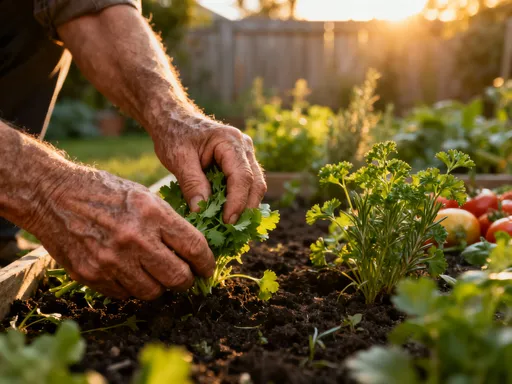
Gardening is more than a pastime—it’s a full sensory engagement with the origins of food. When someone plants a seed, waters it, and watches it grow, they develop a connection to that plant that transcends mere consumption. This relationship fosters appreciation, patience, and respect for the natural process of growth. Over time, this mindset extends to eating habits. A tomato grown at home is not just food; it is the result of care, time, and attention. Eating it becomes an act of gratitude, not just nourishment. This shift in perspective transforms the way people view healthy eating—not as a limitation, but as a celebration of abundance.
Studies have shown that individuals who grow their own produce are more likely to consume fruits and vegetables regularly. The act of harvesting food increases the perceived value of fresh ingredients, making them more desirable than processed alternatives. Moreover, gardening is a form of physical activity that supports overall health. Digging, weeding, planting, and harvesting all involve movement that strengthens muscles, improves flexibility, and burns calories—often without feeling like exercise. The outdoor setting also provides exposure to sunlight, which supports vitamin D synthesis and helps regulate circadian rhythms.
Equally important is the mental health benefit. Gardening has been linked to reduced stress, improved mood, and greater mindfulness. The rhythmic nature of tending to plants—focusing on the present moment, noticing small changes, working with the seasons—creates a meditative effect. This calm, grounded state influences eating behaviors. When stress is lower, emotional eating decreases. When mindfulness is higher, people are more attuned to hunger and fullness cues. Gardening, therefore, does not just supply healthier food; it creates the internal conditions that make healthy choices more likely. It turns the garden into both a source of nutrition and a sanctuary for well-being.
Cooking as Creativity, Not Chore
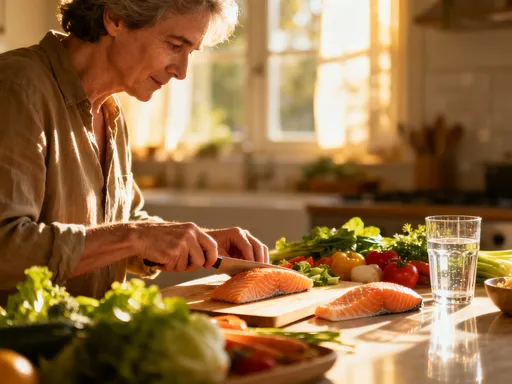
For many, cooking has long been seen as a necessary task—a daily obligation rather than an opportunity for expression. But when approached with curiosity and creativity, cooking can become a form of self-care. Preparing a meal allows for control over ingredients, portion sizes, and flavor profiles. It offers a chance to experiment, to learn, and to nourish not just the body, but the soul. Unlike eating out or relying on pre-packaged meals, home cooking invites presence. The sizzle of onions in a pan, the aroma of herbs, the texture of chopped vegetables—these sensory details anchor a person in the moment, fostering mindfulness that extends to the act of eating.
One of the most significant benefits of regular home cooking is the reduction in processed ingredients. Store-bought sauces, frozen dinners, and packaged snacks often contain high levels of added sugar, sodium, and unhealthy fats. By making meals at home, individuals can choose whole, recognizable ingredients and adjust recipes to suit their tastes and health goals. Even simple changes—like using olive oil instead of butter, adding more vegetables, or reducing salt—can have a cumulative impact on long-term health. Over time, the palate adapts, and naturally flavorful foods become more satisfying than their heavily seasoned counterparts.
Getting started doesn’t require gourmet skills. A weekly recipe challenge—such as trying one new vegetable dish per week—can build confidence and expand culinary horizons. Theme nights, like “Meatless Monday” or “Taco Tuesday,” add structure and fun. Cooking with seasonal produce connects meals to the natural rhythm of the year, ensuring freshness and variety. The goal is not to achieve perfection, but to cultivate a positive relationship with food. When cooking becomes a source of joy, healthy eating follows naturally, not as a rule, but as a habit born of pleasure and care.
Fermenting, Baking, and Other Slow Food Hobbies
Beyond gardening and cooking, there are other food-related hobbies that support long-term health by encouraging mindfulness, patience, and deeper food awareness. Fermenting, for example, involves transforming raw ingredients through natural microbial processes—turning cabbage into sauerkraut, tea into kombucha, or milk into yogurt. These activities require time and attention, but they also yield foods rich in probiotics, which support gut health. A growing body of research links a healthy gut microbiome to improved digestion, stronger immunity, and even better mood regulation.
What makes fermenting particularly powerful is its slow pace. Unlike fast food, which delivers instant gratification, fermentation teaches patience. Watching a jar of vegetables bubble over several days fosters a connection to the living nature of food. It also reduces reliance on convenience items, as homemade fermented foods can replace store-bought versions loaded with preservatives and sugar. The process itself is meditative—checking jars, tasting progress, adjusting flavors—creating a rhythm that counteracts the rush of modern life.
Similarly, sourdough baking has seen a resurgence not just for its flavor, but for its alignment with slow, intentional living. Making sourdough starter from flour and water, feeding it daily, and timing the rise of dough requires presence and care. The result is bread with better texture, taste, and digestibility than mass-produced alternatives. Baking becomes less about the end product and more about the ritual—the warmth of the oven, the smell of rising dough, the satisfaction of sharing a loaf with loved ones. These experiences reinforce a mindset of quality over speed, nourishment over convenience, and connection over consumption.
Making It Last: Turning Passion into Routine
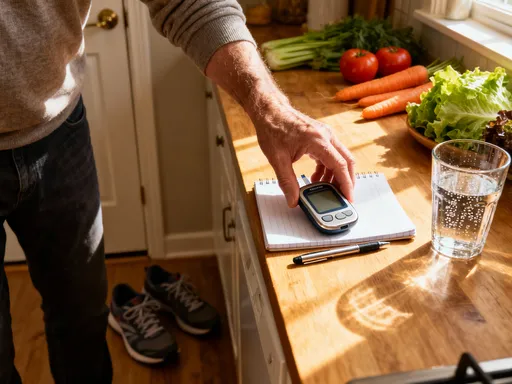
Starting a food-related hobby is one thing; sustaining it is another. The key to long-term success lies not in intensity, but in consistency. Small, manageable steps are more effective than ambitious plans that quickly burn out. Journaling progress—recording what was planted, cooked, or fermented—can provide a sense of continuity and achievement. Photos of garden growth, notes on recipe tweaks, or logs of fermentation batches serve as tangible reminders of progress. These records also help identify patterns, such as which activities bring the most joy or which foods become household favorites.
Community support can also play a vital role. Joining a local gardening club, participating in online cooking groups, or sharing fermented creations with neighbors fosters connection and accountability. These interactions normalize the learning process, reduce isolation, and provide inspiration. Exchanging seeds, swapping recipes, or tasting each other’s sourdough bread turns solitary hobbies into shared experiences. This social dimension enhances motivation and deepens the sense of purpose behind the activity.
Setting tiny goals—such as growing one herb, mastering one recipe, or completing one batch of kombucha—helps maintain momentum without pressure. The focus should remain on enjoyment, not performance. If a plant dies or a loaf burns, it is not failure, but part of the process. Flexibility is essential; hobbies should adapt to life’s changes, not become another source of stress. When the activity feels forced, it loses its power to inspire. The goal is not perfection, but presence—a consistent, joyful engagement that naturally supports healthier eating over time.
Conclusion
True wellness isn’t found in strict rules, but in the quiet moments of connection—between hands and soil, flavors and memories, passion and purpose. When hobbies become the vehicle for dietary change, restrictions transform into choices, and health becomes a byproduct of living fully. This isn’t a quick fix. It’s a life upgrade. By aligning daily habits with personal interests, individuals can build a sustainable, joyful approach to eating that lasts a lifetime. The journey begins not with a diet, but with a seed, a recipe, or a jar left to ferment on the counter. What grows from there is more than food—it is a deeper, more nourishing way of being.